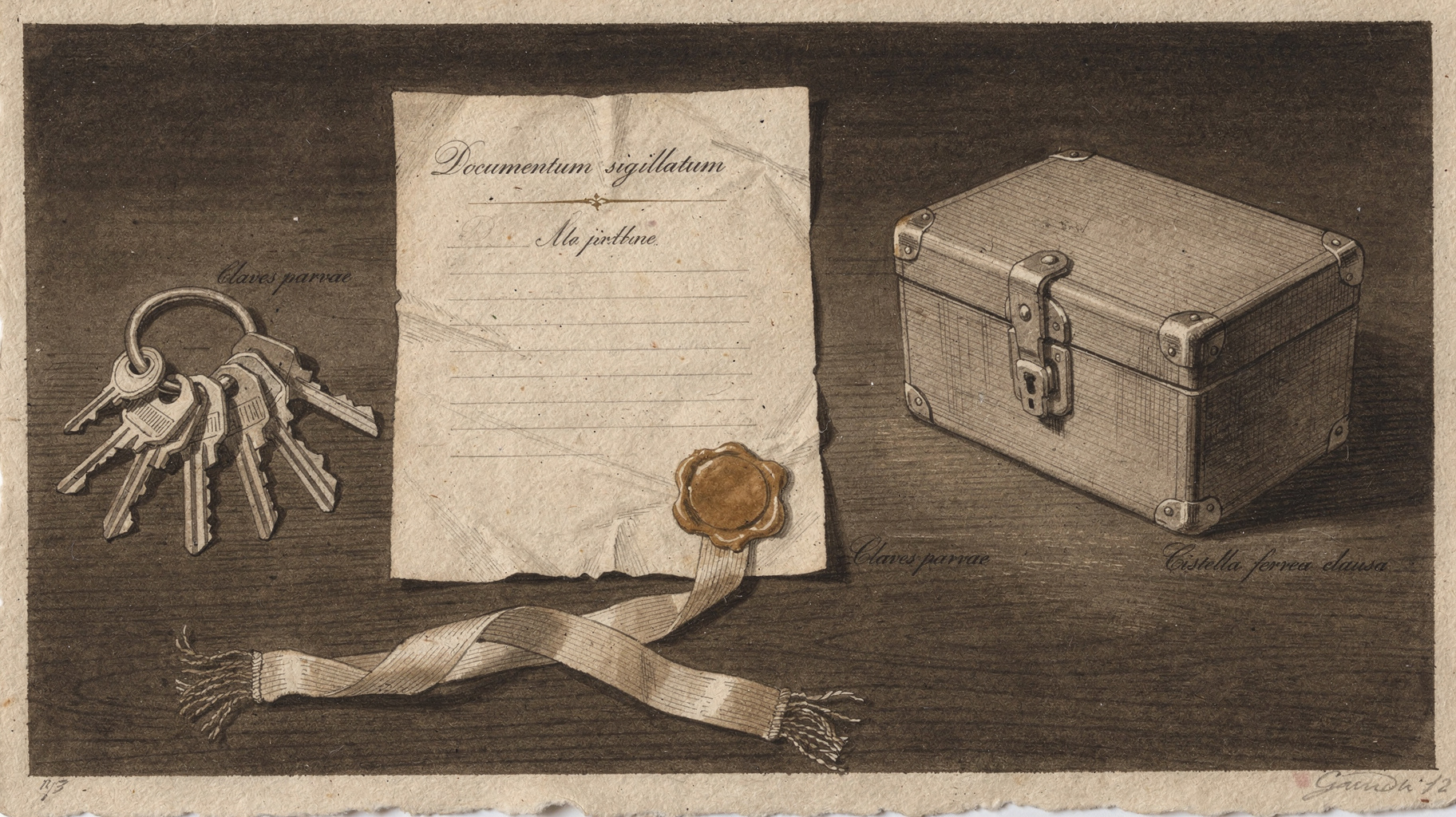
Anthropic announced Enterprise Frontier Safeguards on September 1 — a package that bundles zero data retention with continuous misuse-detection monitoring for enterprise Claude deployments, with activity data stored in the customer’s own cloud infrastructure, under the customer’s own encryption keys. The rollout begins in phases later this fall. Read it as a product launch and it is a compliance feature. Read it as strategy and it is the sharpest thing Anthropic has shipped all year: the acknowledgment that for the buyers who matter, the retention policy is the product.
The mechanics are worth spelling out, because each clause undoes a specific enterprise objection. Zero data retention means prompts and outputs do not become training material or log entries on Anthropic’s side — the conversation evaporates when the session does. Misuse monitoring means somebody is watching for the failure modes enterprises are actually afraid of, without the enterprise having to build that function itself. And the storage clause is the quiet killer: telemetry lands in infrastructure the customer controls, encrypted with keys the customer holds. Anthropic is proposing to run the most sensitive AI deployment in the building while holding, essentially, nothing. The keys stay home.
The vendor runs the model; the customer keeps the keys. Everything else in the enterprise AI contract is negotiable, and this is the clause that isn’t.
Retention as a Sales Artifact
The timing tells you what this is for. Interim zero-data-retention terms have been extended for Fable 5 and Fable 5.1 until EFS is ready — which means regulated buyers have already been negotiating for this, contract by contract, and the product announcement is the codification of a demand signal. Legal review has become the real adoption funnel: the AI procurement meeting is now a data-governance meeting, and the vendor who arrives with the governance pre-built shortens the sales cycle by months. Anthropic is selling the meeting.
The competitive read is just as direct. Frontier capability differences between top labs are narrowing quarter by quarter, and every lab claims state-of-the-art on some benchmark. What does not converge is the trust architecture: who holds the keys, who sees the logs, who answers the regulator. Those are structural commitments, not model weights — they compound slowly and they are brutally hard to retrofit, because retrofitting trust means asking existing customers to re-litigate their own compliance approvals. A moat made of model weights drains every release cycle. A moat made of signed enterprise agreements does not.
Watch whether OpenAI and Google match the specific architecture rather than the headline — customer-held keys are a materially harder promise than a data-retention toggle on a settings page. And watch the pricing. Monitoring infrastructure is not free to operate, and the first enterprise AI product priced as a governance line item rather than a seat license will tell you how the market actually values trust: as a feature, or as the product itself.
The Takeaways
- Anthropic announced Enterprise Frontier Safeguards on September 1; phased rollout begins later this fall.
- EFS combines zero data retention with continuous misuse-detection monitoring for enterprise Claude deployments.
- Activity data is stored in customer-controlled cloud infrastructure, encrypted with customer-held keys.
- Interim ZDR terms continue for Fable 5 and Fable 5.1 until EFS is ready — the demand signal predates the product.
- Trust architecture compounds and cannot be retrofitted; model weights drain every release cycle.