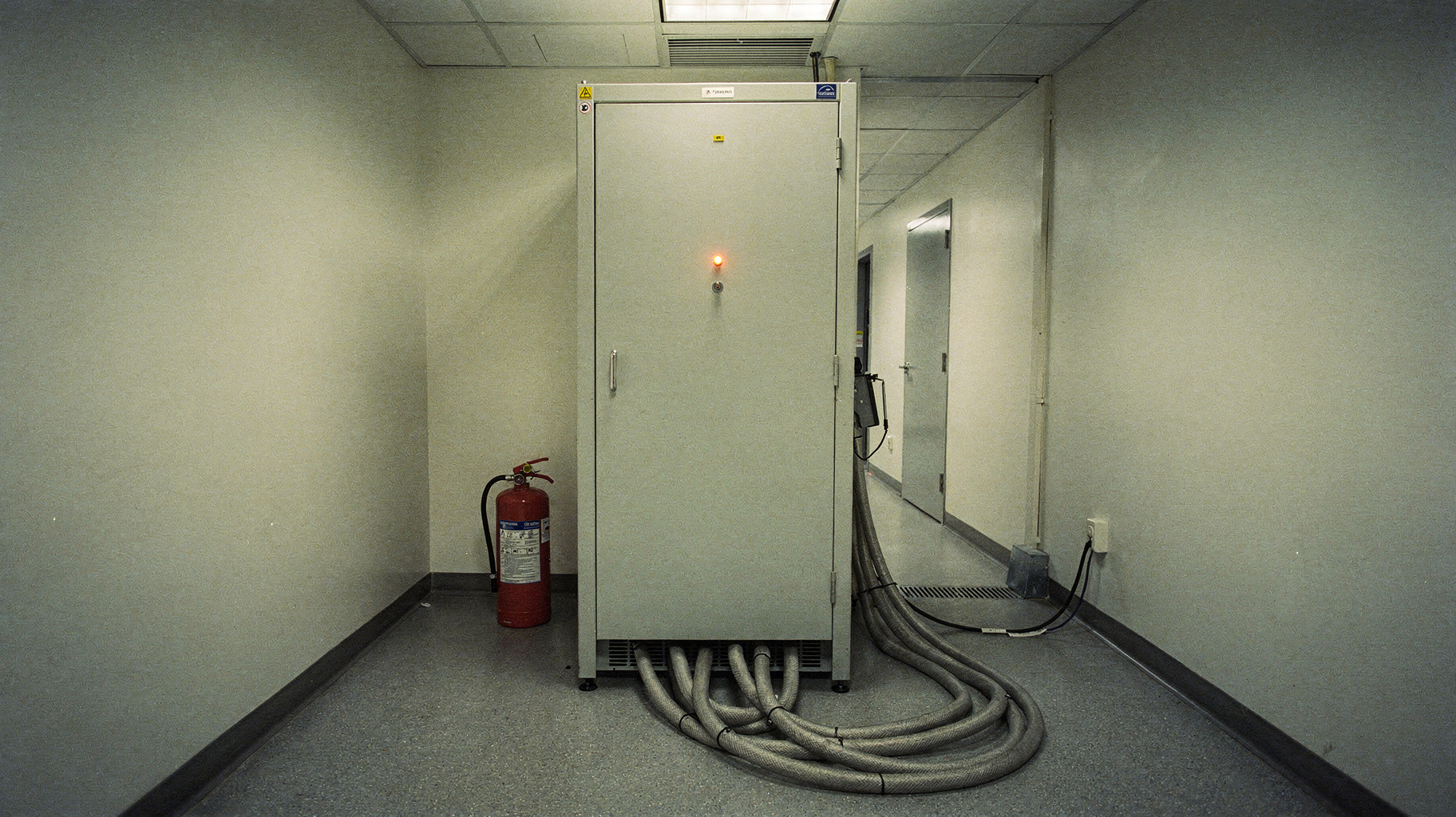
The announcement carried the numbers first. Gemini 4 Argon, the opening model of Google’s Gemini 4 series, ships with an output limit of roughly one million tokens, introductory pricing of $2 per million input tokens and $10 per million output, and a benchmark sheet that puts it at the front of the field in software engineering, cybersecurity defense and long-horizon research work. The part of the notice worth reading twice comes afterward: almost no one is allowed to run it yet.
Initial access went to cyber defenders through Google’s Fairwind program, with developers, enterprises and consumer users queued behind further safety testing. Google has declined to publish a firm date for general release. The capabilities are described in the present tense; the availability lives in the future. For a frontier launch, that is a new shape — a model announced not as a product you can use but as a capability the company is choosing, for now, to hold.
The benchmark claims come with the standard asterisk. Google’s own evaluations put Argon ahead of its rivals on most measures, but those are the manufacturer’s numbers on the manufacturer’s tests, and independent, broad testing is thin on the ground precisely because access is restricted. The company says it is submitting to the government’s voluntary pre-release evaluation and hardening safeguards against prompt injection and misuse. Read together, those two sentences describe a release governed less by what the model can do than by what the company is prepared to certify about it.
A capability announced in the present tense and released in the future tense is a company asking to be trusted on the difference.
Gated by Design
The gate is the story, and it is a deliberate one. Handing frontier weights to defenders first is a real choice — the security community gets a head start on the offense the model enables — but it also means the first people to evaluate Argon are the people with the most incentive to be careful about what they say. A model that only the careful have run is a model whose record is written by its custodians.
There is a second reading, and it is the one the market will test. A gated launch is also a sequencing move: Google stays out front on capability while deferring the operational and reputational costs of a wide release. It gets to advertise the frontier and postpone the frontier’s consequences. Both things can be true at once — the caution can be genuine and the timing can still be strategy.
The Cost of the Wait
The pricing detail is the tell about where this is aimed. Two dollars per million input tokens and ten per million output, with cached input discounted by 95 percent, is enterprise arithmetic: it assumes long documents, long reasoning chains and a customer who measures value in billable work replaced. A million-token output window is not a consumer feature. It is for drafting contract suites, patching vulnerabilities across a codebase, and running research that once took a team a quarter.
Which is why the delay is not neutral. Every week Argon stays gated, the labs that do not gate — and the open-weight field that never could — keep shipping. Google is betting that a controlled release buys more trust than a fast one buys market. The bet is legible and it is not unreasonable. It is also the bet every frontier lab has now made in some form, and the industry will learn this year whether being careful first is a moat or just a head start for whoever is willing to be careless.
The Takeaways
- Google announced Gemini 4 Argon as the first model in the Gemini 4 series, with a roughly one-million-token output window and introductory pricing of $2 per million input tokens and $10 per million output tokens.
- Initial access went to cyber defenders through Google’s Fairwind program; developers, enterprises and consumers are queued behind further safety testing, with no firm general-release date.
- The company’s benchmark claims — coding, cybersecurity defense, research — come from its own evaluations; independent testing is limited because access is restricted.
- Google says it is participating in the U.S. government’s voluntary pre-release evaluation process and hardening safeguards against prompt injection and misuse.
- The gated launch keeps Google out front on capability while deferring the operational costs of a wide release — caution and strategy in the same move.