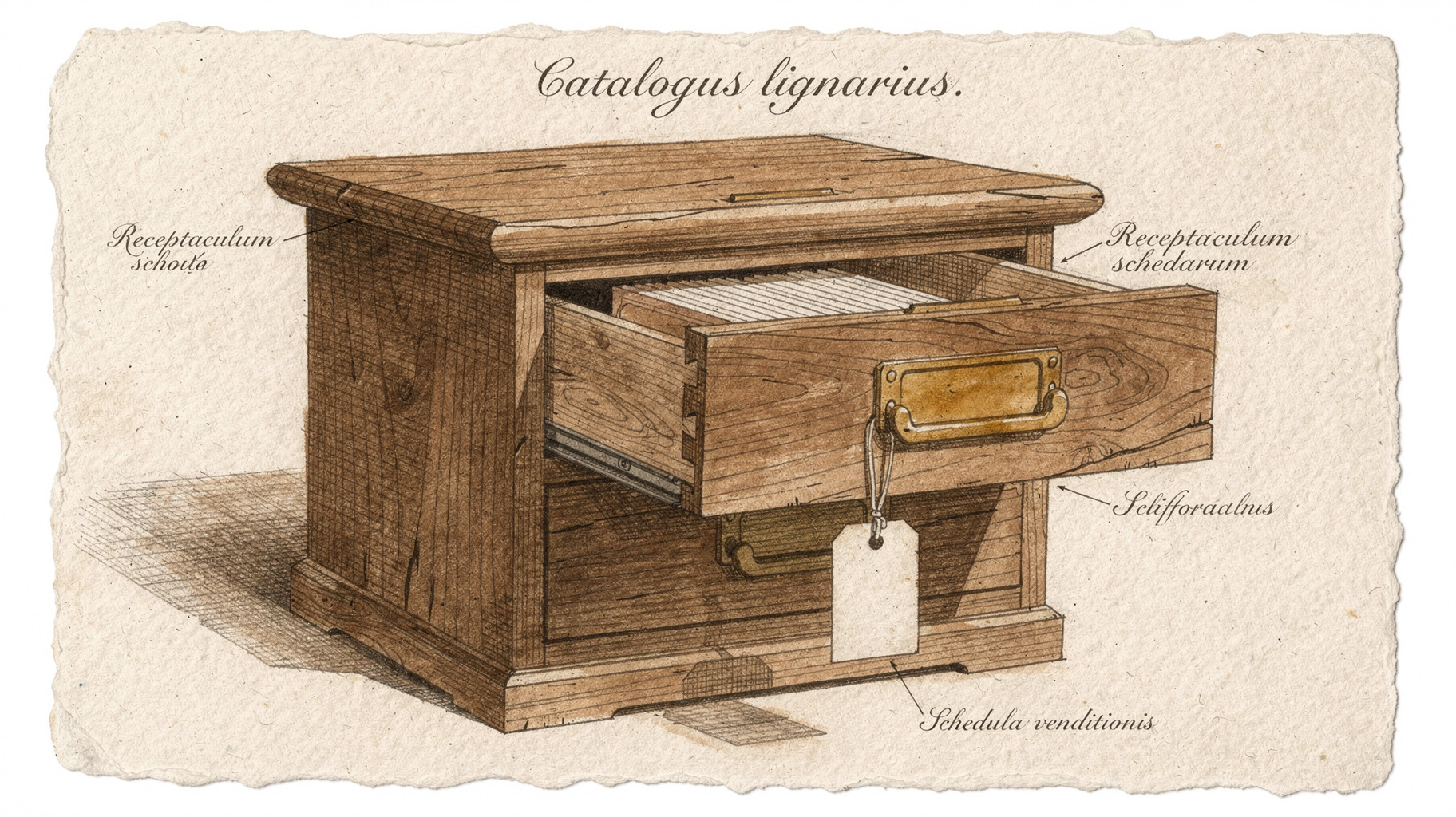
The library is being acquired by the machine that reads it. Bloomberg reported September 2 that Nvidia is in advanced talks to buy Hugging Face — roughly $12.9 billion for the company plus a $1 billion employee retention pool, with an agreement possible “as soon as this week.” Neither company has confirmed anything, and terms could still shift. But the shape of the deal alone is the story: the default public home of open AI models, the place where a million fine-tunes and half the field’s artifacts live, is about to belong to the company that sells the compute those models run on.
Hugging Face is not a chip company, a model lab, or a cloud. It is the commons — the library card catalog of the AI era, where researchers publish weights, enterprises pull them down, and the whole industry pretends neutrality is infrastructure. The reported price, about $14 billion all-in, is modest by the standards of this cycle; Nvidia spends more than that on a quarter of buybacks. Which raises the obvious question: why buy the library when you already own the presses? The answer is that ownership of the shelf is the last piece of vertical integration. Nvidia has the silicon, the networking, the software stack, and — as we covered when it took $3.5 billion of MediaTek’s bonds — increasingly the financing of its own customers. The one thing it has never owned is the place where developers decide which models matter.
The platform where the field publishes its weights would report, ultimately, to the company that sells the field its GPUs.
The Neutral Shelf Was Never Free
Defenders of the deal will say nothing changes: Hugging Face keeps its hub open, models stay portable, the license is the license. That was also said about GitHub after Microsoft. And it was true, in the way that matters to lawyers. But incentives bend quietly. A search ranking here, a featured model there, a pricing tier for inference on Nvidia hardware, a deprecation notice for a competing runtime — none of it is corruption, all of it is strategy. The worry is not that the library burns down. It is that the card catalog starts recommending the publisher’s own books.
There is a geopolitical wrinkle, too. Open weights are the West’s answer to state-backed model programs — a distributed, permissionless R&D engine nobody controls. Folding its central distribution point into the world’s most export-controlled company puts that commons one sanctions letter away from being infrastructure with a nationality. Regulators will see it. The EU has already begun sending information requests to the frontier labs under its new AI Act powers; a deal that consolidates the entire AI stack under one vendor is precisely the fact pattern antitrust offices were built for.
The deal is not signed, and this cycle has seen bigger announcements die quieter deaths. But the direction of travel is the point. The stack is consolidating top to bottom: chips, interconnect, cloud, capital, and now the commons itself. If it closes, the industry’s library will keep its name, its orange logo, and its open-source manners. It will simply have an owner — and the owner has a very clear idea of what the reading room is for.
The Takeaways
- Bloomberg reports Nvidia is in advanced talks to acquire Hugging Face: about $12.9B plus a $1B employee retention pool, roughly $14B all-in.
- Neither company has confirmed the deal; terms and timing could still change.
- Hugging Face is the default distribution point for open AI models — the commons layer of the ecosystem.
- The deal would place the model commons inside the vendor that sells most of the compute those models run on.
- Consolidation of the full stack — silicon, cloud, capital, and now distribution — is the direction of travel, regardless of whether this specific deal closes.